Food Safety Training Requirements for Restaurants
Food safety is one of the most critical responsibilities in the restaurant industry. Every meal served to a customer must be prepared, handled, and stored in a way that prevents contamination and protects public health. Even a small mistake in food handling can lead to serious foodborne illnesses, legal issues, and damage to a restaurant’s reputation.
Because of these risks, food safety training is not optional—it is a requirement for restaurant employees. From kitchen staff to managers, everyone must understand proper hygiene practices, safe food handling procedures, and regulatory compliance standards.
In this guide, we will explain the food safety training requirements for restaurants, what employees need to learn, and how proper training can help maintain a safe and compliant food service environment.
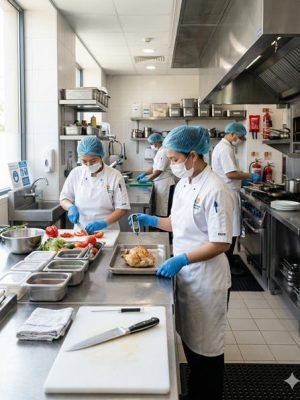
Why Food Safety Training Is Important
Food safety training plays a vital role in protecting both customers and restaurant businesses.
Prevent Foodborne Illnesses
Improper food handling can lead to contamination by harmful bacteria such as Salmonella, E. coli, and Norovirus. Training helps employees prevent these risks.
Protect Customer Health
Safe food practices ensure that customers receive meals that are hygienic and safe to consume.
Maintain Business Reputation
Restaurants known for cleanliness and safety attract more customers and build long-term trust.
Avoid Legal Penalties
Failure to follow food safety regulations can result in fines, closures, or lawsuits.
Food safety training ensures that employees understand their responsibilities and follow best practices at all times.
Food Safety Training Requirements for Restaurants
Restaurants must follow strict food safety standards established by federal, state, and local authorities. These requirements are designed to minimize risks and maintain hygiene.
Employee Food Handling Training
All employees involved in food preparation must receive training on safe food handling practices.
Temperature Control
Employees must understand how to maintain safe cooking, holding, and storage temperatures to prevent bacterial growth.
Cross-Contamination Prevention
Training must include procedures to prevent contamination between raw and cooked foods.
Cleaning and Sanitization
Employees must be trained in proper cleaning and sanitizing procedures to maintain a hygienic environment.
Personal Hygiene Standards
Staff must follow strict hygiene rules, including handwashing, clean uniforms, and illness reporting.
These requirements are essential for maintaining compliance with health regulations and ensuring food safety.
Key Topics Covered in Food Safety Training
A comprehensive food safety training program covers several critical areas that employees must understand and follow.
Food Handling and Storage
Employees learn how to receive, store, and handle food safely to prevent spoilage and contamination.
Time and Temperature Control
Training includes understanding the “danger zone” and maintaining proper cooking and storage temperatures.
Cross-Contamination Prevention
Employees are taught how to use separate equipment and maintain proper hygiene to prevent contamination.
Personal Hygiene
Proper handwashing techniques, clean uniforms, and illness reporting are essential components of training.
Cleaning and Sanitization
Employees learn the difference between cleaning and sanitizing and how to perform both effectively.
These topics are essential for maintaining a safe food service environment.
Who Needs Food Safety Training?
Food safety is a shared responsibility across the entire restaurant team.
Kitchen Staff
Responsible for preparing and cooking food safely.
Food Handlers
Ensure proper handling and storage of ingredients.
Restaurant Managers
Oversee compliance and enforce safety standards.
New Employees
Must receive training before handling food.
Support Staff
Including servers and dishwashers who interact with food and equipment.
Every employee plays a role in maintaining food safety and preventing contamination.
Benefits of Food Safety Training
Investing in food safety training provides significant benefits for restaurants.
Safer Work Environment
Reduces risks of contamination and workplace hazards.
Increased Customer Trust
Customers are more likely to return to restaurants that maintain high safety standards.
Better Compliance
Helps meet regulatory requirements and pass health inspections.
Improved Efficiency
Trained employees perform tasks more effectively and consistently.
Online Food Safety Training for Restaurants
Many restaurants prefer online training programs because they are flexible and cost-effective. Online courses allow employees to complete training at their own pace without disrupting daily operations.
Professional training programs offered by Compliance Courses Online help restaurant employees understand essential food safety practices, regulatory requirements, and workplace responsibilities.
These courses are designed to provide practical knowledge that employees can apply immediately in real-world restaurant environments.
Recommended Food Safety Training Course
Food Safety Compliance Training for Restaurant Employees
This comprehensive course covers all essential aspects of food safety, including:
- Safe food handling practices
- Prevention of foodborne illnesses
- Personal hygiene and sanitation
- Temperature control and storage
- Cleaning and sanitization procedures
This training is ideal for restaurant employees, managers, and food handlers who want to maintain compliance and ensure customer safety.
💲 Price: $25
Related Articles
To learn more about restaurant safety and compliance, explore:
Conclusion
Food safety training is a critical requirement for every restaurant. It ensures that employees understand how to handle food safely, maintain hygiene standards, and comply with health regulations.
By investing in proper training, restaurants can protect their customers, avoid legal risks, and build a strong reputation for safety and quality.
If you want to improve food safety in your restaurant, start by providing comprehensive training to your team. The right training programs can make a significant difference in maintaining a safe and successful food service operation.
Expand Your Compliance Expertise
Food Safety & Workplace Compliance Certification Bundle of 5 Courses: $49
Fire Safety Compliance Training for Restaurant Employees: $25
Restaurant Safety and HR Compliance Training: $25
Workplace Violence Prevention & EAP Training: $25
Anti-Harassment and Discrimination Training for Employees: $25