How to Become a Medical Courier: Complete Guide to Training, Certification, Skills, and Career Opportunities
Introduction: Why Medical Couriers Are Becoming Essential in Healthcare
The healthcare industry depends on speed, accuracy, safety, and confidentiality. Every day, hospitals, laboratories, clinics, pharmacies, and healthcare organizations transport thousands of critical medical items that directly impact patient care. Behind this important process are trained professionals known as medical couriers.
If you are searching for how to become a medical courier, this complete guide will explain everything you need to know, including job responsibilities, skills required, training, certification options, compliance requirements, and how you can prepare yourself for a successful medical courier career.
Unlike standard package delivery services, medical couriers handle sensitive healthcare materials such as:
- Laboratory specimens
- Blood samples
- Diagnostic materials
- Prescription-related deliveries
- Medical supplies
- Healthcare documents
- Temperature-sensitive medical products
- Chemotherapy-related materials
Because these deliveries involve patient information, biological materials, and healthcare regulations, employers often prefer candidates who complete medical courier certification training before entering the field.
A professional Medical Courier Certification Online Training Program can help you understand compliance, safety procedures, specimen handling, privacy protection, and professional delivery standards required in today’s healthcare environment.
What Is a Medical Courier?
A medical courier is a specialized delivery professional responsible for safely transporting healthcare-related items between medical facilities, laboratories, pharmacies, healthcare providers, and patients.
Medical couriers are different from regular delivery drivers because they must follow strict healthcare guidelines involving:
- Safety procedures
- Chain of custody requirements
- Patient privacy rules
- Infection prevention practices
- Hazard communication standards
- Documentation requirements
Medical courier jobs require responsibility, attention to detail, and knowledge of healthcare compliance regulations.
What Does a Medical Courier Do?
Medical couriers perform several important duties depending on the healthcare organization they work with.
Common medical courier responsibilities include:
1. Transporting Medical Specimens
Medical couriers collect and deliver biological specimens such as:
- Blood samples
- Urine samples
- Tissue samples
- Laboratory testing materials
Proper specimen handling is critical because mistakes can affect testing accuracy and patient care.
Training in medical specimen courier handling helps couriers understand:
- Specimen packaging requirements
- Safe transportation procedures
- Contamination prevention
- Temperature control practices
- Documentation procedures
2. Protecting Patient Information
Medical couriers may handle packages, documents, electronic devices, or labels containing protected healthcare information.
Because of this responsibility, understanding healthcare privacy practices is extremely important.
A HIPAA Compliance Training for Medical Couriers course helps courier professionals understand:
- Patient privacy responsibilities
- Protected Health Information (PHI)
- Confidentiality requirements
- Secure communication practices
- Preventing unauthorized disclosure
3. Following Workplace Safety Procedures
Healthcare deliveries may involve exposure risks that normal courier jobs do not encounter.
Medical couriers should understand safety practices related to:
- Biological materials
- Potential exposure incidents
- Hazard communication
- Emergency procedures
- Personal protective equipment (PPE)
Completing safety-focused training helps couriers work more confidently and professionally.
How to Become a Medical Courier: Step-by-Step Guide
If you want to start a career in medical delivery services, follow these important steps.
Step 1: Understand Medical Courier Job Requirements
Before applying for medical courier positions, understand what employers commonly look for.
Typical requirements may include:
- Valid driver’s license
- Reliable transportation (for independent contractors)
- Clean driving record
- Strong organizational skills
- Professional communication skills
- Ability to follow procedures
- Understanding of healthcare compliance requirements
Some positions may require previous courier experience, while others provide entry-level opportunities.
However, completing a medical courier certification online course can improve your knowledge and demonstrate commitment to professional standards.
Step 2: Complete Medical Courier Training
Medical courier work requires more than picking up and dropping off packages.
Professional training teaches important topics such as:
- Medical delivery procedures
- Healthcare regulations
- Safety standards
- Patient privacy
- Specimen handling
- Emergency response
- Documentation practices
Online medical courier training allows you to learn these important skills conveniently from anywhere.
Step 3: Earn a Medical Courier Certification Online
A medical courier certification helps show that you have completed structured training related to healthcare courier responsibilities.
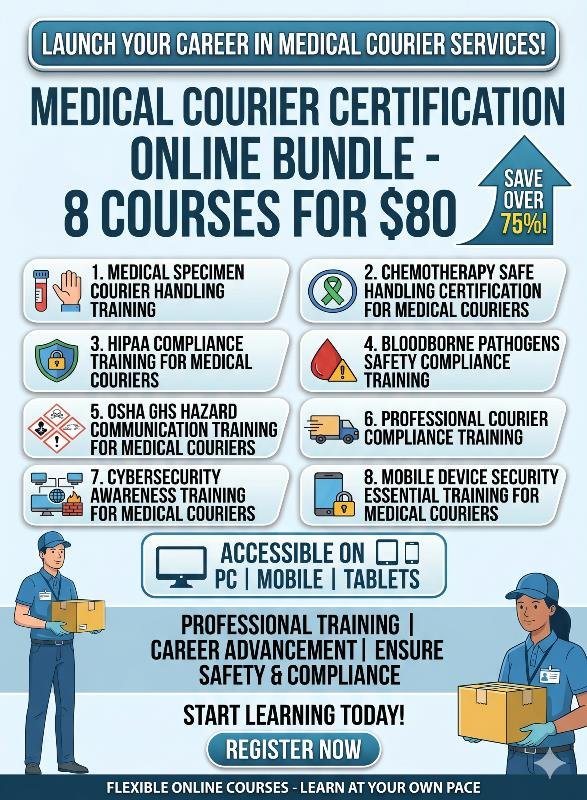
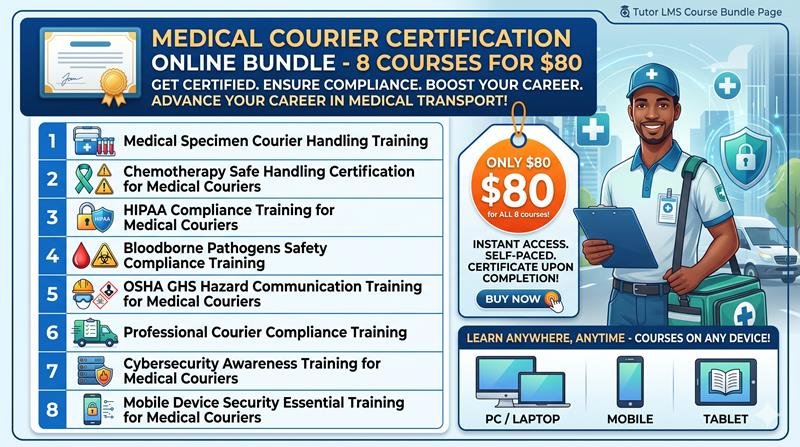
The Medical Courier Certification Online Bundle from Compliance Courses Online includes 8 professional training courses designed to prepare courier employees and independent contractors for healthcare delivery environments.
Medical Courier Certification Online Bundle Includes:
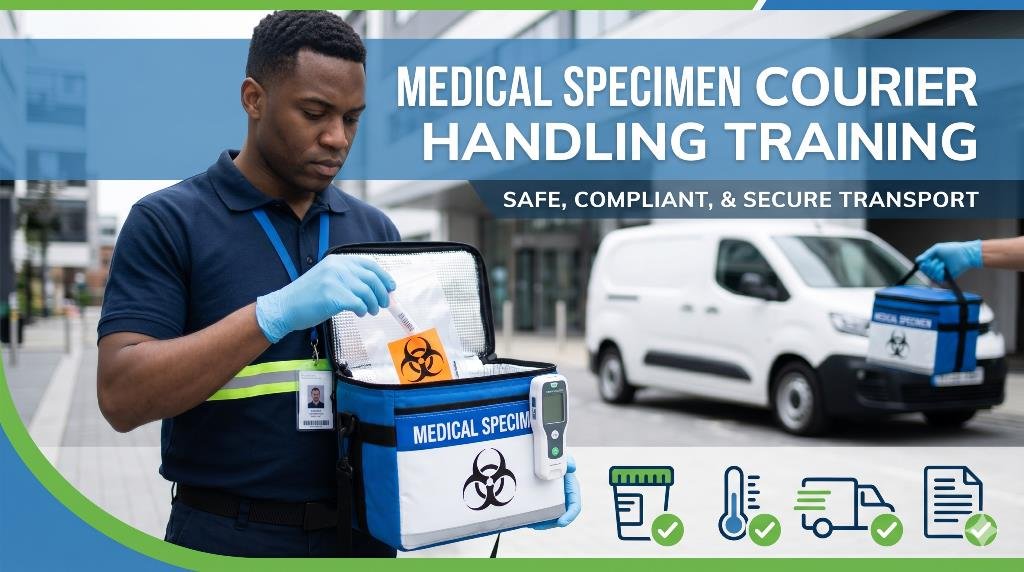
Medical specimens require careful handling during pickup, transportation, and delivery.
This course covers important topics including:
- Medical specimen transportation basics
- Handling biological materials safely
- Specimen integrity protection
- Transportation procedures
- Documentation practices
- Courier responsibilities
This training is ideal for individuals delivering specimens between laboratories, hospitals, and healthcare facilities.
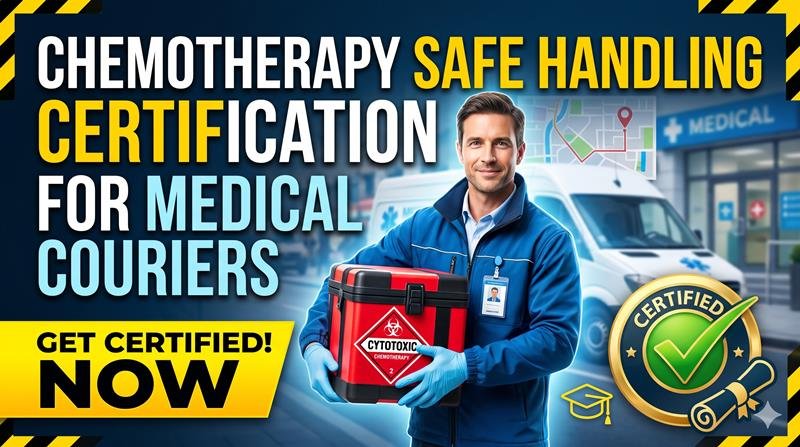
Some medical couriers may transport chemotherapy-related materials that require additional awareness and safety precautions.
This course helps learners understand:
- Safe handling procedures
- Hazard awareness
- Exposure prevention
- Transportation considerations
- Safety responsibilities
Proper training helps promote safer handling practices during healthcare deliveries.
Protecting patient information is one of the most important responsibilities in healthcare.
This course teaches:
- HIPAA fundamentals
- Patient privacy requirements
- Protected Health Information (PHI)
- Confidentiality responsibilities
- Privacy violation prevention
Medical couriers who understand HIPAA requirements can better protect sensitive healthcare information.
Medical couriers may transport materials where exposure risks exist.
Bloodborne pathogens training covers:
- Workplace exposure risks
- Infection prevention practices
- Safety precautions
- Proper response procedures
- Universal precautions
This knowledge supports safer medical courier operations.
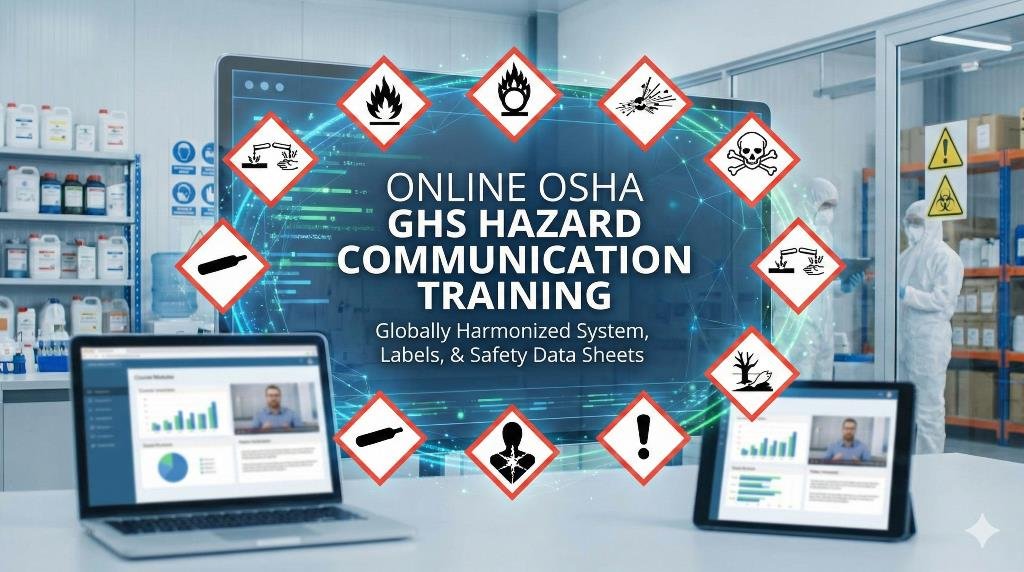
Healthcare transportation may involve materials requiring hazard awareness.
This course explains:
- Hazard communication basics
- Safety labels
- Chemical hazard information
- Workplace safety practices
- Employee responsibilities
Understanding OSHA hazard communication principles helps couriers recognize potential risks.
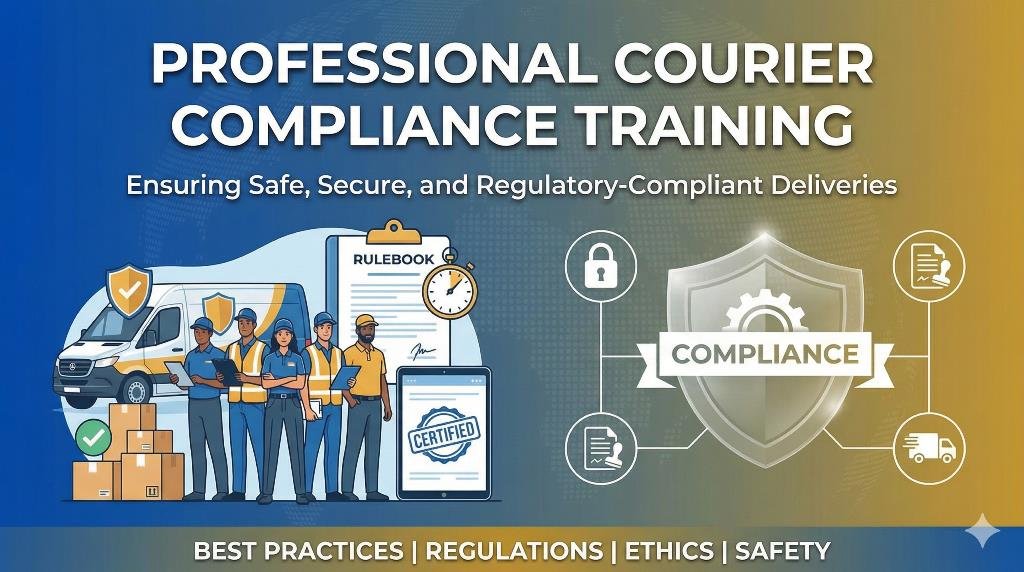
Professionalism is essential in healthcare delivery.
This course focuses on:
- Courier responsibilities
- Customer service expectations
- Delivery procedures
- Documentation
- Communication skills
- Professional conduct
Reliable courier practices help maintain trust between healthcare organizations and delivery professionals.
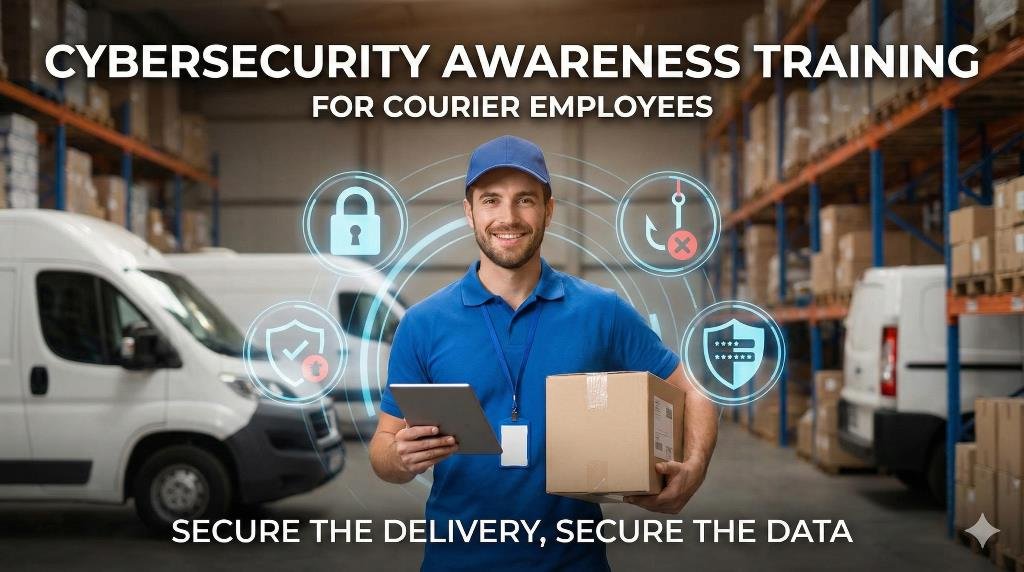
Modern healthcare couriers often use:
- Mobile applications
- Email communication
- Digital delivery systems
- Electronic documentation
Cybersecurity training helps employees understand:
- Online threats
- Data protection
- Password safety
- Phishing awareness
- Secure digital practices
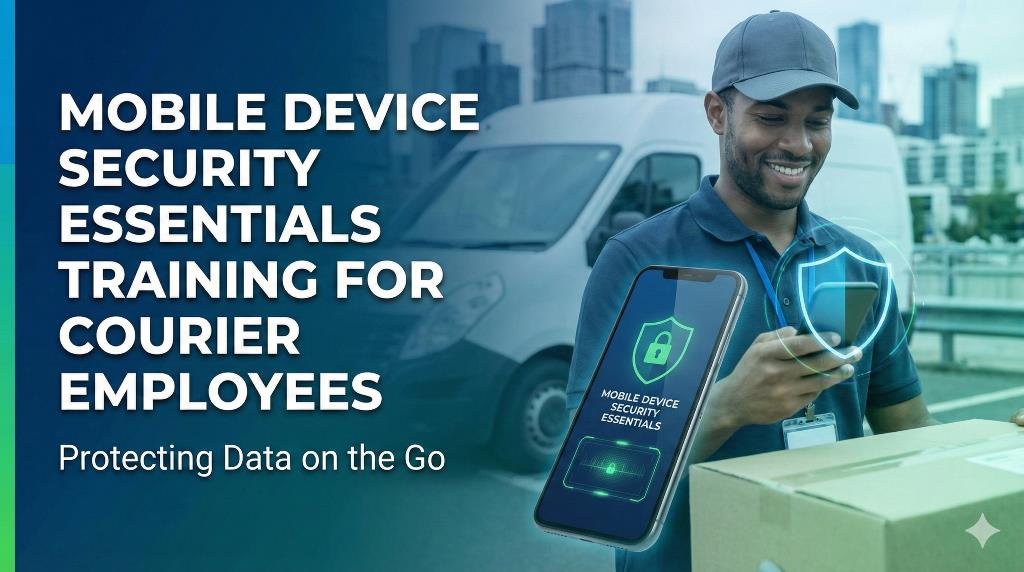
Medical couriers frequently rely on smartphones and tablets during deliveries.
This training covers:
- Mobile device protection
- Secure communication practices
- Preventing unauthorized access
- Protecting sensitive information
- Safe mobile technology usage
Step 4: Prepare for Medical Courier Job Opportunities
After completing medical courier training, you can explore opportunities with:
- Medical laboratories
- Hospitals
- Healthcare networks
- Pharmacies
- Diagnostic companies
- Courier service providers
- Medical logistics companies
Common job titles include:
- Medical Courier
- Laboratory Courier
- Specimen Courier
- Healthcare Delivery Driver
- Pharmacy Courier
- Medical Transport Specialist
Important Skills Every Medical Courier Should Have
Successful medical couriers usually demonstrate:
Attention to Detail
Medical deliveries require accuracy with:
- Pickup information
- Delivery locations
- Documentation
- Special handling instructions
Time Management
Healthcare deliveries are often time-sensitive. Couriers must manage routes efficiently.
Professional Communication
Medical couriers interact with:
- Healthcare employees
- Laboratory staff
- Customers
- Patients
Professional behavior creates trust.
Safety Awareness
Understanding healthcare safety procedures helps reduce risks during transportation.
Do You Need Certification to Become a Medical Courier?
Certification requirements vary depending on:
- Employer
- State requirements
- Type of materials transported
- Job responsibilities
While every employer may not require certification, completing medical courier training can help you:
- Build industry knowledge
- Improve your professional skills
- Strengthen your resume
- Understand healthcare compliance expectations
- Prepare for medical courier responsibilities
Benefits of Online Medical Courier Certification Training
Online certification provides several advantages:
✔ Learn at your own pace
✔ Access training anytime
✔ Improve healthcare compliance knowledge
✔ Prepare for medical courier opportunities
✔ Gain professional skills
✔ Understand safety responsibilities
For individuals starting a healthcare logistics career, online training provides a convenient way to develop essential knowledge.
Start Your Medical Courier Career with Compliance Courses Online
Healthcare organizations rely on trained and responsible medical couriers to safely transport important medical materials.
The Medical Courier Certification Online Bundle – 8 Courses from Compliance Courses Online provides comprehensive training covering specimen handling, HIPAA compliance, workplace safety, cybersecurity, professional courier practices, and mobile security.
Whether you are:
- Starting a medical courier career
- Working as an independent contractor
- Managing healthcare deliveries
- Improving employee compliance training
this online certification bundle helps you develop important skills needed in healthcare courier services.
Start your medical courier training today and take the next step toward becoming a knowledgeable healthcare delivery professional.
Frequently Asked Questions About Becoming a Medical Courier
How do I become a medical courier?
You can become a medical courier by meeting basic driving requirements, understanding healthcare delivery responsibilities, completing medical courier training, and applying for courier opportunities with healthcare organizations.
Can I get medical courier certification online?
Yes. Online medical courier certification courses allow learners to complete training remotely while learning important healthcare transportation and compliance topics.
What training should medical couriers complete?
Recommended training includes specimen handling, HIPAA compliance, bloodborne pathogens safety, OSHA hazard communication, cybersecurity, and professional courier practices.
Is medical courier a good career?
Medical courier services continue to play an important role as healthcare organizations depend on reliable transportation of specimens, supplies, and medical materials.
Who should take medical courier certification training?
Training is useful for new medical couriers, independent contractors, healthcare delivery employees, laboratory couriers, and companies managing medical transportation services.