OSHA Regulations for Restaurants (Complete Guide)
Restaurants are fast-paced environments where employees face a variety of workplace hazards, including hot surfaces, sharp tools, slippery floors, and exposure to cleaning chemicals. To ensure employee safety and maintain compliance, restaurants must follow workplace safety standards set by regulatory authorities.
One of the most important frameworks for workplace safety is OSHA (Occupational Safety and Health Administration) regulations. These regulations are designed to protect employees, reduce workplace injuries, and promote safe working conditions.
In this guide, we will explain OSHA regulations for restaurants, key safety requirements, and how proper training can help businesses stay compliant.
What Is OSHA and Why It Matters for Restaurants
OSHA is a regulatory body responsible for ensuring safe and healthy working conditions across various industries, including restaurants.
Why OSHA Is Important
- Protects employees from workplace hazards
- Reduces accidents and injuries
- Ensures compliance with safety standards
- Helps businesses avoid penalties and fines
Restaurants must follow OSHA guidelines to create a safe working environment for their employees.
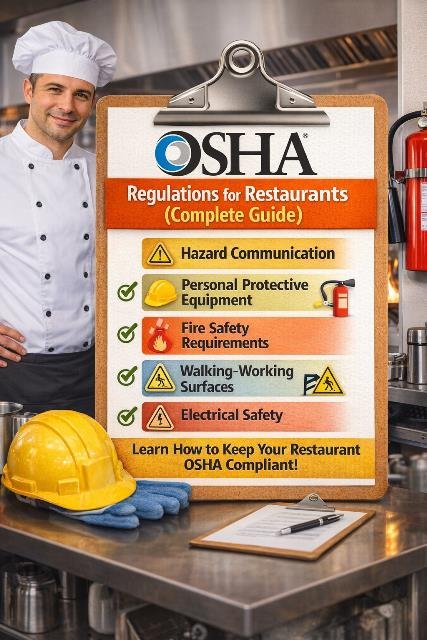
Common Workplace Hazards in Restaurants
Restaurants present several risks that OSHA regulations aim to control.
Slips, Trips, and Falls
Wet floors, spills, and cluttered areas can cause injuries.
Burns and Fire Hazards
Hot surfaces, cooking equipment, and open flames increase fire risks.
Cuts and Lacerations
Sharp knives and kitchen tools can lead to serious injuries.
Chemical Exposure
Cleaning agents and sanitizers can be harmful if not handled properly.
Ergonomic Injuries
Improper lifting techniques can lead to muscle strain.
Identifying these hazards is the first step toward compliance.
Key OSHA Regulations for Restaurants
Restaurants must follow several OSHA safety requirements to maintain compliance.
Walking-Working Surfaces
Employers must ensure:
- Floors are clean and dry
- Work areas are free of hazards
- Proper drainage systems are in place
Hazard Communication Standard (HazCom)
Employees must be informed about hazardous chemicals used in the workplace.
Includes:
- Proper labeling of chemicals
- Safety Data Sheets (SDS)
- Employee training
Electrical Safety
Restaurants must maintain:
- Proper wiring
- Safe use of equipment
- Avoid overloaded circuits
Personal Protective Equipment (PPE)
Employees must use appropriate protective gear when necessary.
Examples:
- Gloves
- Aprons
- Non-slip footwear
OSHA Training Requirements for Restaurant Employees
OSHA requires employers to provide safety training to employees.
Training Should Cover:
- Workplace hazards
- Safe equipment usage
- Emergency procedures
- Chemical safety
- Injury prevention
Proper training ensures employees understand risks and follow safety procedures.
How OSHA Compliance Benefits Restaurants
Following OSHA regulations provides several benefits:
Reduced Workplace Injuries
Safer environments lead to fewer accidents.
Improved Employee Productivity
Employees work more confidently in safe conditions.
Lower Legal Risks
Compliance reduces chances of fines and lawsuits.
Better Business Reputation
Safe workplaces build trust among employees and customers.
Online OSHA Safety Training for Restaurants
Online training programs provide a convenient way for restaurants to meet OSHA requirements. Employees can complete training at their own pace while gaining essential safety knowledge.
Training programs offered by Compliance Courses Online help restaurant employees understand workplace safety standards, hazard awareness, and compliance requirements.
These programs are designed to provide practical knowledge that can be applied in real-world restaurant environments.
Recommended OSHA & Safety Training Courses
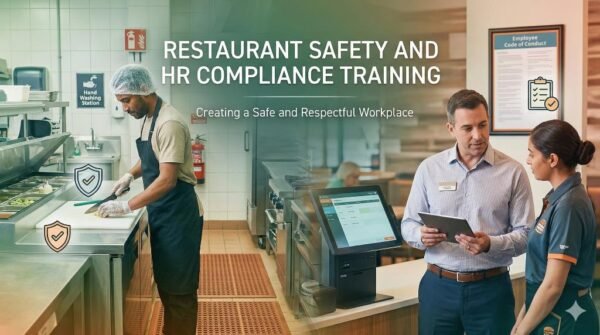
Restaurant Safety and HR Compliance Training
Learn workplace safety, compliance policies, and employee responsibilities.
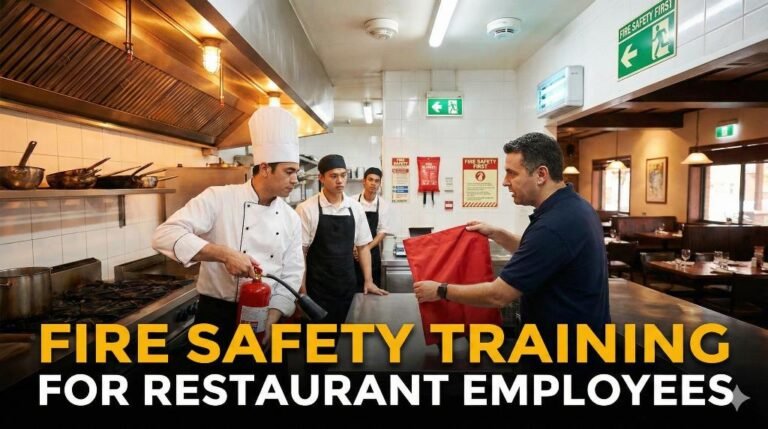
Fire Safety Training for Restaurant Employees
Understand fire hazards and emergency procedures.
Food Safety Training for Restaurant Employees
Learn safe food handling and hygiene practices.
Anti-Harassment and Discrimination Training
Promote a safe and respectful workplace.
👉 Start Your Compliance Training Today
Conclusion
OSHA regulations play a critical role in ensuring workplace safety in restaurants. By understanding and following these regulations, restaurant owners and employees can create a safer work environment, reduce risks, and maintain compliance.
Providing proper safety training is one of the most effective ways to meet OSHA requirements and protect employees.
Investing in workplace safety is not just about compliance—it is about building a strong, responsible, and successful restaurant business.